


ROI on Digital Investments
Are your digital investments generating measurable value, or expanding spend without discipline?
Why Do Digital Investments Struggle to
Deliver Expected Returns?
According to the 2023 Gartner Board of Directors Survey, 89% of boards say digital investments are critical to growth, yet fewer than half believe their organizations consistently achieve expected returns. Spending scales. Initiatives multiply. Returns fragment. The issue is rarely technology capability. It is the absence of structured prioritization, defined value hypotheses, and disciplined performance governance.

Capital Allocation Clarity
Invest with defined value logic before approval.

Reduced Investment Waste
Identify overlap, duplication, and low-impact spend.

Predictable Financial Impact
Link digital initiatives directly to measurable business outcomes.
Digital ROI Framework
ROI is not a reporting exercise. It is a portfolio design discipline.
The framework aligns four structural elements:
- Pre-Investment Value Definition: Define measurable outcomes before funding.
- Enterprise Alignment: Connect initiatives to revenue, cost, or risk objectives.
- Governed Execution: Assign accountability for value realization.
- Portfolio Visibility: Compare expected versus realized return across initiatives.
When ROI is designed upfront, capital compounds. When left to reporting, value erodes. ROI is a design discipline- not a finance exercise.

From Deployment to Disciplined Value Realization
Organizations typically move through three structural phases:

Phase 1 – Deploy
Initiatives are funded and launched without shared value criteria.


Phase 2 – Track
Performance is measured inconsistently across initiatives.

Phase 3 – Govern
Investment decisions follow structured evaluation, accountability, and portfolio discipline.
ROI Through MATURITY
Digital return scales through disciplined structure.
M
Measure
Measure current returns, cost structures, and capital efficiency. Understand what is working before making changes.
A
Align
Align digital investment priorities with enterprise strategy and financial objectives.
T
Transpose
Translate digital capabilities into clearly defined business outcomes and ownership.
U
Upskill
Strengthen leadership capability in digital capital evaluation and opportunity cost discipline.
R
Refine
Standardize review thresholds and address underperforming initiatives decisively.
I
Integrate
Embed ROI logic into budgeting cycles and portfolio governance.
T
Track
Monitor return on invested capital, adoption stability, and productivity impact.
Y
Yield
Achieve predictable digital value and sustained financial performance.
20%
Improvement in
Return on Digital Capital
30%
Reduction in
Portfolio Redundancy
35%
Faster
Time-to-Value Realization
What Leaders Gain
- Stronger Investment Decisions
- Reduced Budget Waste
- Clear Outcome-Aligned KPIs
- Portfolio Transparency
- Higher Confidence in Digital Strategy

Related Insights
Practical guidance for executives navigating digital maturity.

What is Digital Experience?

The Digital Maturity of E-Commerce: A New Playbook for Business Growth – A Podcast Summary
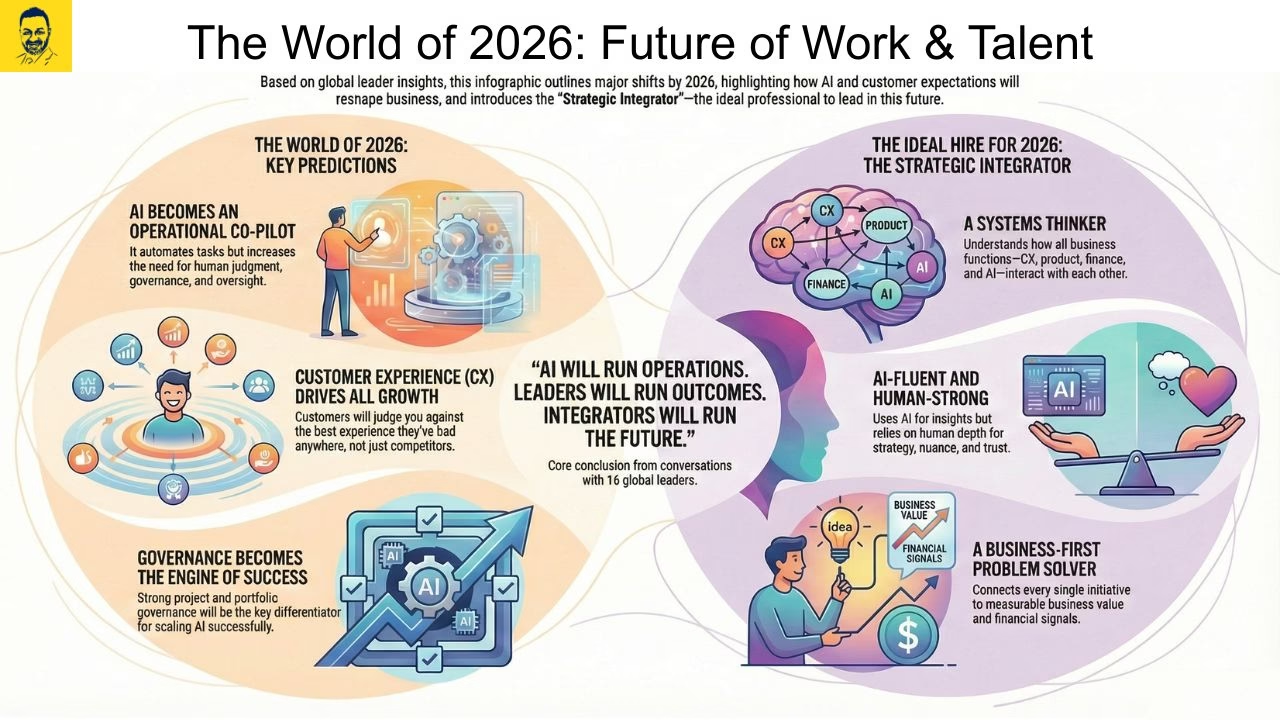
What Global Leaders Said About The Future of Work & AI in 2026: Exclusive Insights from The Nav Thethi Show
Explore the Conversation
What Happens When AI Meets Human-Centered Customer Experience?
Why Letting Go Is the Secret to Purpose, Passion, and Real Success
Marketing Is Becoming Clinical: Are CMOs Ready for It?
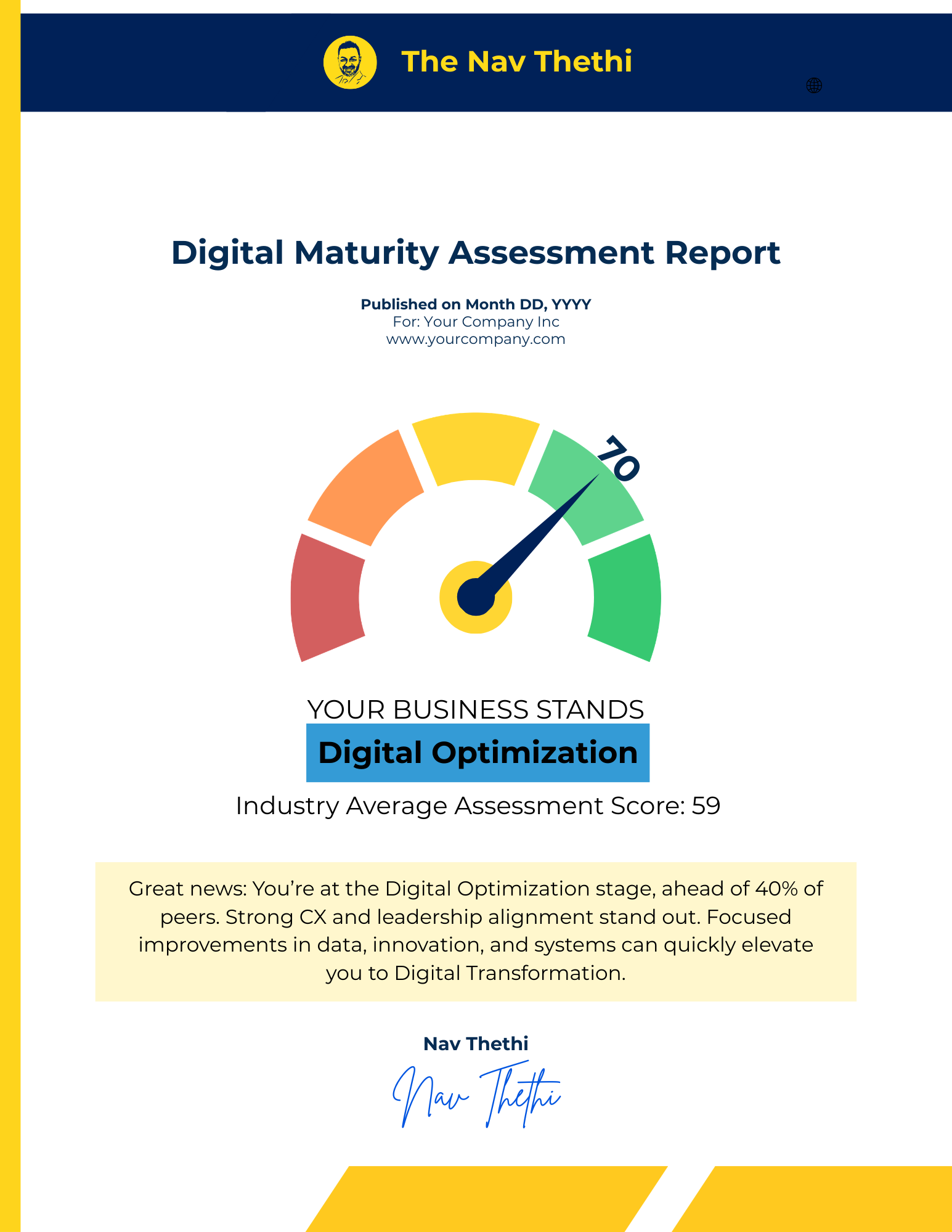
What Does the ROI Maturity Report Reveal?
The Digital Maturity Assessment evaluates investment alignment across:
- Capital Allocation Discipline
- Portfolio Redundancy Exposure
- Governance & Review Gaps
- Return Variance & Time-to-Value
- Accountability for Outcome Delivery
The report benchmarks your ROI maturity stage and highlights priority actions to strengthen disciplined value realization.
How Mature Is Your Digital Investment Discipline?
Assess how effectively your organization prioritizes, governs, and evaluates digital capital.
Don’t commit new capital before understanding how your current digital investments perform, and where return leakage exists.
This assessment provides:
- ROI Maturity Score
- Portfolio Risk Indicators
- Investment Alignment Gaps
- Governance & Accountability Weaknesses
- Priority Actions for Financial Impact
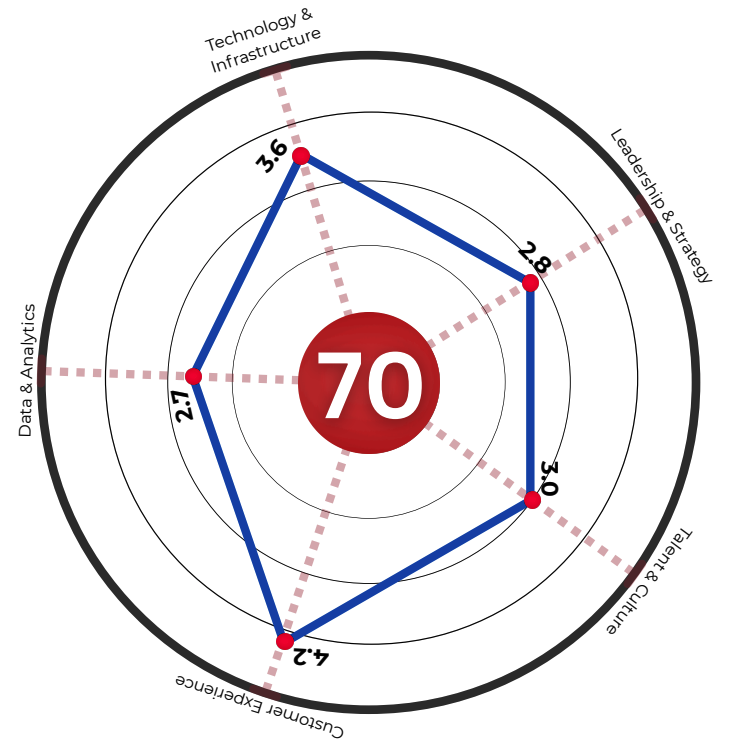
How Nav Works With Leaders
Nav works with executive teams to bring discipline to digital capital allocation by defining value before investment, aligning initiatives to measurable outcomes, and embedding governance structures that ensure return compounds over time.
FAQ
Your Questions Answered: Insights for Clarity and Confidence
No.
Financial reporting looks backward. This strategy focuses on designing ROI into decisions before investment occurs.
No.
Clear ROI expectations reduce uncertainty and enable faster, more confident decision-making.
Yes.
The framework applies across technology, CX, operations, and data initiatives.
Yes-when outcomes are clearly defined and metrics are aligned to value rather than activity.
Digital maturity determines how reliably outcomes can be measured, compared, and scaled across initiatives.
Not all digital value appears instantly. This approach distinguishes between leading indicators and realized outcomes, allowing organizations to track progress without prematurely labeling initiatives as failures.